

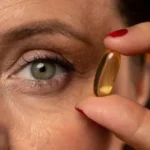


Coenzyme Q10 (CoQ10) is a naturally occurring compound vital for energy production within cells. While generally safe, it’s not suitable for everyone. This article details who should avoid or exercise caution when considering CoQ10 supplementation. (Approx. )
Individuals on Blood Thinners
Warfarin (Coumadin), aspirin, and other blood thinners interact with CoQ10. CoQ10 possesses mild blood-thinning properties itself. Combining it with these medications can increase the risk of bleeding and bruising. Consult your doctor before use if you’re on any anticoagulant or antiplatelet drugs. Regular monitoring of INR (International Normalized Ratio) is crucial.
People with Liver Disease
While CoQ10 may benefit some liver conditions, individuals with severe liver impairment should be cautious. The liver metabolizes CoQ10, and compromised liver function could lead to unpredictable effects or accumulation. A doctor’s guidance is essential.
Those with Kidney Problems
Similar to the liver, the kidneys play a role in processing CoQ10. Kidney disease can affect CoQ10 metabolism and excretion. High doses might exacerbate kidney issues. Medical supervision is vital.
Pregnant or Breastfeeding Women
There’s limited research on CoQ10’s safety during pregnancy and breastfeeding. Due to a lack of definitive data, it’s generally recommended to avoid CoQ10 supplementation during these periods. The potential risks to the developing fetus or infant are unknown.
Individuals with Low Blood Pressure
CoQ10 can slightly lower blood pressure. If you already have low blood pressure (hypotension), CoQ10 might cause it to drop further, leading to dizziness, lightheadedness, or fainting. Monitor your blood pressure closely.
People with Upcoming Surgery
Due to its potential blood-thinning effects, discontinue CoQ10 supplementation at least one week before any scheduled surgery, including dental procedures. Inform your surgeon about your CoQ10 use.
Allergic Reactions
Although rare, allergic reactions to CoQ10 can occur. Symptoms include rash, itching, swelling, and difficulty breathing. Discontinue use immediately and seek medical attention if you experience any allergic symptoms.
Children
CoQ10 supplementation in children should only be considered under the strict guidance of a pediatrician. There’s insufficient research on its long-term effects on developing children.
Important Disclaimer
This information is for general knowledge and informational purposes only, and does not constitute medical advice. It is essential to consult with a qualified healthcare professional for any health concerns or before making any decisions related to your health or treatment. Self-treating can be dangerous.
